





)


Key Takeaways
- Reflexology applies targeted pressure to foot reflex points to promote relaxation and support circulation.
- Potential benefits include reduced stress, improved sleep and general wellbeing.
- It’s a complementary therapy, best used alongside conventional care rather than as a treatment.
The Science of Reflexology: How Foot Massage Can Benefit Your Health
Reflexology is an ancient healing art that views the feet as a map of the entire body. Originating in traditional Chinese medicine, reflexology is built on the belief that specific pressure points on the feet, hands, and ears correspond to different organs and systems. By stimulating these points, practitioners aim to restore balance, improve energy flow, and support the body’s natural healing processes.
In recent years, researchers have begun to investigate the benefits of reflexology, exploring how it may influence the nervous system, circulation, and even hormonal balance. While it’s not a substitute for medical treatment, this centuries-old therapy continues to bridge the gap between traditional wisdom and modern physiology, inviting us to see the body in a more interconnected way.
What Is Reflexology?
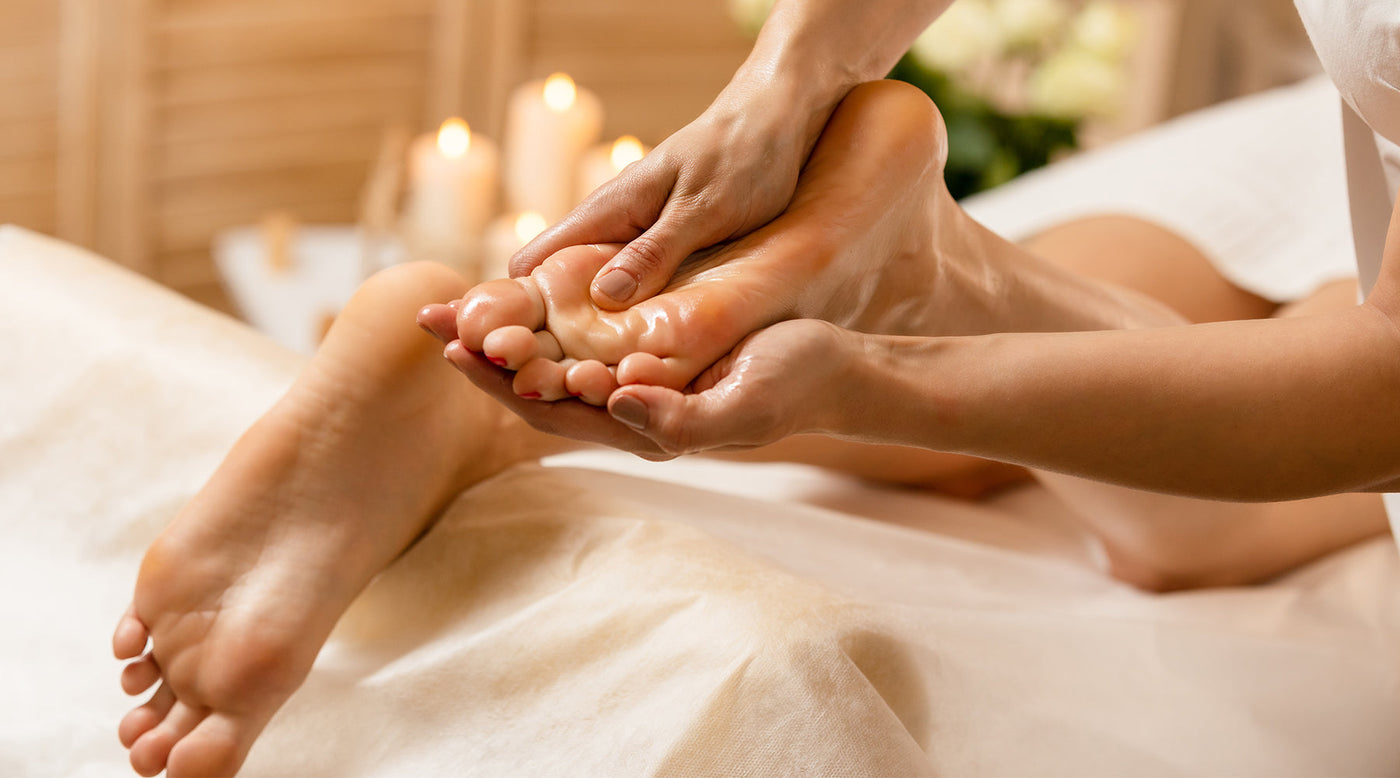
Reflexology is a therapeutic practice based on the concept that the body’s systems are reflected in the feet. Each reflex point is thought to correspond to an internal organ or structure. By applying gentle, precise pressure to these areas, reflexologists aim to clear “energy blockages” and stimulate the body’s self-healing capacity.
From a scientific standpoint, the science of reflexology explores how reflexology works through the lens of neurology and circulation. Reflex points contain thousands of nerve endings that communicate with the central nervous system. When stimulated, these nerves can trigger relaxation responses, reduce stress hormones, and encourage better blood flow.
A 2022 review published in Healthcare found that reflexology may have a moderating effect on anxiety, fatigue, and cancer, although more rigorous studies are still needed to confirm these effects.
The Science Behind Reflexology
Modern research has identified several possible physiological mechanisms behind reflexology’s benefits:
-
Nerve stimulation: The feet are packed with sensory receptors that, when activated, send calming signals to the brain and parasympathetic nervous system. This helps slow the heart rate and lower stress levels.
-
Improved circulation: Like any massage, reflexology encourages better blood and lymphatic flow, enhancing oxygen delivery and waste removal throughout the body.
-
Pain modulation: Pressure on reflex points may trigger the release of endorphins — the body’s natural painkillers — helping to ease chronic discomfort.
-
Stress reduction: Studies suggest reflexology can reduce cortisol levels and promote relaxation.
Health Benefits of Foot Reflexology Massage
The foot massage benefits of reflexology extend well beyond relaxation. Many people turn to foot reflexology massage for:
-
Reduced stress and anxiety: Reflexology activates the body’s relaxation response, helping to calm an overactive mind.
-
Better sleep: Regular sessions can help regulate sleep patterns by reducing tension and balancing the nervous system.
-
Headache and migraine relief: Reflexology targeting head and neck points may ease muscle tension and improve blood flow.
-
Enhanced circulation and energy: The gentle stimulation supports nutrient delivery and overall vitality.
-
Digestive support: Reflex points linked to the stomach and intestines can help relieve bloating and discomfort.
-
Foot pain relief: Focused massage helps ease tension in the arches, heels, and ankles.
Understanding Reflexology Points on the Feet
A typical reflexology chart divides the foot into zones:
-
Toes: head and sinus reflexes
-
Ball of the foot: heart and lungs
-
Arch: liver, pancreas, and kidneys
-
Heel: lower back, sciatic nerve, and intestines
Even without memorising every zone, many people enjoy the benefits of daily foot massage, a simple act of grounding the body after a long day.
How to Experience Reflexology Safely
To enjoy the benefits safely, it’s best to:
-
Choose a certified reflexologist registered with a professional body.
-
Start gently: 30–60 minutes per session is ideal for most people.
-
Avoid reflexology if you have foot injuries, open wounds, or certain health conditions (seek medical advice during pregnancy).
-
Try at-home technology: Some advanced massage chairs now feature reflexology rollers and AirSpa® compression systems. For instance, our own Physio+® model uses three rows of textured rollers and full leg compression for a soothing, therapeutic experience.
You can also combine reflexology with aromatherapy or meditation for deeper relaxation.
Integrating Reflexology into a Modern Wellness Routine
In today's evidence-informed wellness culture, reflexology has found new relevance as a complementary therapy. Whether used to support recovery after exercise, manage stress, or enhance sleep quality, it aligns beautifully with holistic self-care. If you're curious how it sits alongside other methods, it's worth exploring the different types of massage and what each one offers.
Frequently Asked Questions about Reflexology and Foot Massage
How does reflexology work scientifically?
It likely works through a mix of nerve stimulation, improved circulation, and hormonal responses that promote relaxation and pain relief.
Is reflexology the same as a regular foot massage?
No. A foot massage focuses on muscles and tension relief, while reflexology targets specific points linked to internal organs and systems.
What are the main reflexology points on the feet?
The toes connect to the head and sinuses, the arch to digestive organs, and the heel to the lower back and intestines.
Can reflexology help with anxiety or sleep problems?
Yes, studies show reflexology may reduce anxiety and improve sleep by activating the parasympathetic nervous system.
How often should I have a reflexology session?
Once or twice a week is ideal for ongoing stress relief, but even a short session can offer noticeable relaxation benefits.
Summarise Article
Summarise Article

