





)


Key Takeaways
- Massage may help ease muscle stiffness, rigidity and discomfort associated with Parkinson’s, supporting overall comfort and wellbeing.
- Gentle, tailored techniques can improve relaxation, mobility and circulation when used as part of a broader care approach.
- Massage is supportive, not curative, and works best alongside medical treatment and professional guidance.
Does Massage Alleviate Symptoms of Parkinson’s Disease?
Parkinson’s disease is a progressive neurological condition that affects movement, muscle control, and coordination. It can make everyday activities more challenging due to tremors, rigidity, and fatigue. Beyond its physical toll, Parkinson’s can also weigh heavily on mental health, often leading to anxiety or depression.
So, is massage good for Parkinson's disease?
While massage therapy isn’t a cure, it offers a supportive role in symptom management. By easing stiffness, promoting relaxation, and encouraging better circulation, massage can help people with Parkinson’s feel more mobile, comfortable, and connected to their bodies. It bridges the gap between physical therapy and emotional wellbeing, offering a moment of relief in what can otherwise feel like a relentless condition.
Understanding Parkinson’s Disease and Its Impact
Parkinson’s disease occurs when nerve cells in the brain’s substantia nigra—responsible for producing dopamine—begin to deteriorate. Dopamine helps regulate smooth, coordinated muscle movements. As levels drop, symptoms such as tremors, rigidity, slowness of movement (bradykinesia), and postural instability appear. Fatigue, sleep disturbances, and mood changes are also common.
Benefits of Massage for Parkinson’s Disease
Massage therapy offers several meaningful benefits for people with Parkinson’s:
-
Relieves muscle stiffness and rigidity: Gentle massage encourages muscle relaxation, easing the tightness caused by reduced dopamine activity.
-
Enhances flexibility and range of motion: Regular massage may help maintain joint mobility and reduce the risk of contractures.
-
Reduces tremor-related discomfort: Soothing techniques can calm the nervous system, reducing discomfort associated with tremors.
-
Promotes relaxation and reduces anxiety: Touch therapy helps lower cortisol levels, easing stress and improving mood.
-
Improves sleep and overall wellbeing: Many people report better sleep and reduced fatigue after massage sessions.
Research supports these benefits: A 2022 study published in the Frontiers in Neurology found that massage therapy improved motor symptoms in PD. Another pilot study found that PD patients reported an improvement in quality of life and self-reported function following massage therapy.
Parkinson’s Massage Therapy: Techniques and Approaches
Massage for Parkinson’s disease should be gentle, supportive, and tailored to individual mobility levels. The best massage techniques for Parkinson's are:
-
Swedish massage: Light, flowing strokes to promote circulation and relaxation.
-
Myofascial release: Soft tissue work to ease rigidity and improve flexibility.
-
Lymphatic drainage: Helps with swelling, fatigue, and fluid retention.
-
Craniosacral therapy: Gentle manipulations that support nervous system balance.
-
Hand and foot massage: Ideal for easing fine motor stiffness and improving dexterity.
Massage should always be performed by a qualified therapist experienced in neurological conditions, who can adjust pressure and positioning to ensure safety and comfort.
Are Massage Chairs Good for People with Parkinson’s?
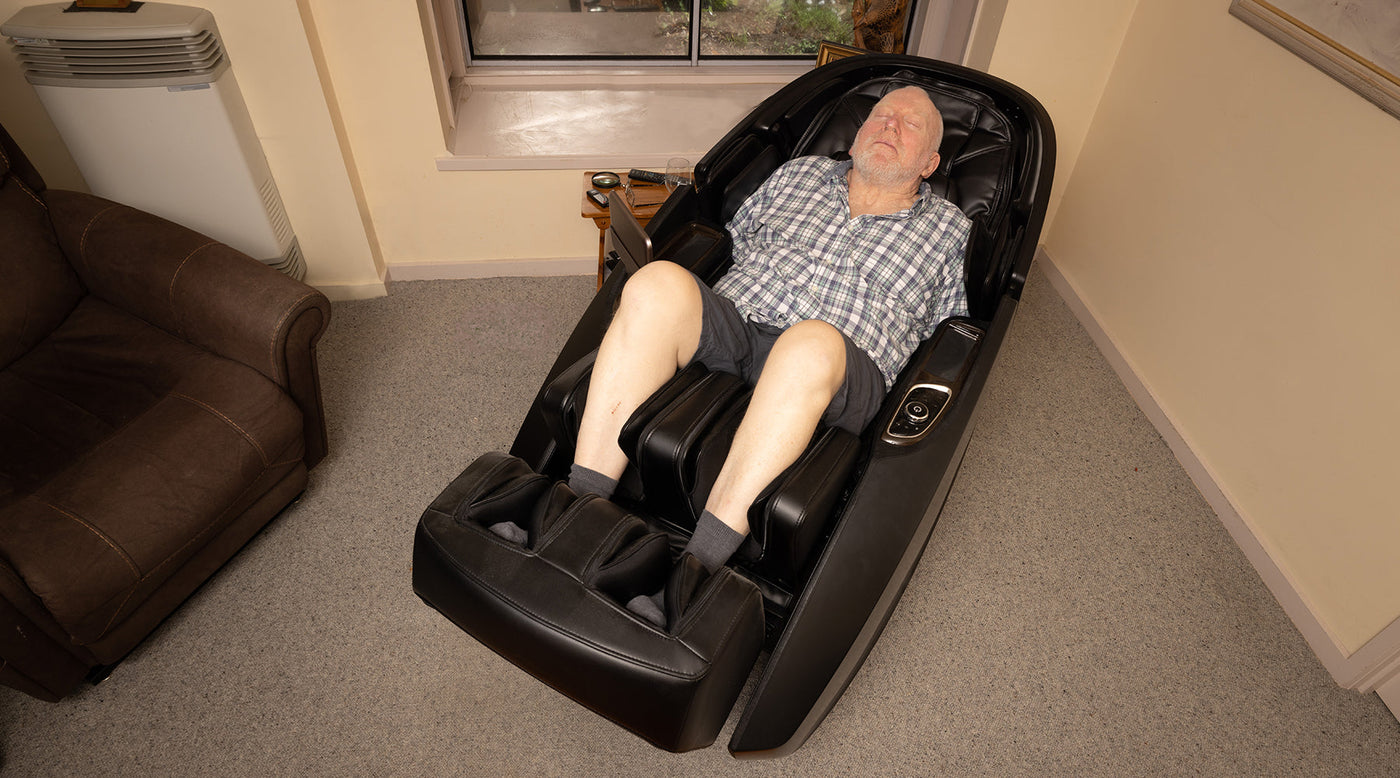
Massage chairs can offer consistent comfort and relaxation at home, especially for those with mobility limitations. The rhythmic pressure and warmth can help reduce stiffness and improve circulation.
When choosing a massage chair for Parkinson’s relief, look for:
-
Gentle, customisable intensity levels
-
Stable support and easy-to-reach controls
-
Heat therapy to soothe muscles
However, mechanical massage isn’t for everyone. Always consult a healthcare professional before regular use, especially if tremors or balance issues are significant.
Integrating Massage into Parkinson’s Care
Massage works best as part of a broader Parkinson’s management plan, alongside medication, physiotherapy, gentle exercise, and a balanced diet. Over time, many people find that massage not only eases physical strain but also improves mood, energy, and self-confidence.
While it’s not a replacement for medical treatment, massage remains one of the most nurturing, body-positive ways to support wellbeing through every stage of Parkinson’s.
Frequently Asked Questions about Massage and Parkinson’s Disease
Does massage help reduce Parkinson’s tremors?
Massage won’t eliminate tremors, but it can ease related tension and help calm the nervous system.
Is massage therapy safe for people with Parkinson’s?
Yes, when performed by a qualified therapist familiar with neurological conditions and tailored to the individual’s comfort and mobility.
How often should massage be used for Parkinson’s symptoms?
Weekly or fortnightly sessions often work well, but frequency should match personal needs and comfort levels.
Can massage chairs help with Parkinson related stiffness?
Yes, when used safely. Gentle settings and heat can reduce muscle stiffness and promote relaxation.
What is the best type of massage for Parkinson’s disease?
Swedish and myofascial release massages are often most beneficial for relieving stiffness and enhancing mobility.
Summarise Article
Summarise Article

