




)



Key Takeaways
- Targeted massage techniques can relieve neck and shoulder tension, improve circulation and reduce muscle tightness.
- Self-massage, massage chairs and tools offer convenient, ongoing relief when used correctly and safely.
- Ongoing or severe pain may require professional treatment, as massage alone isn’t always enough.
The Best Massage Techniques for Relieving Neck and Shoulder Tension
If necks and shoulders had a complaints department, it would be permanently understaffed. Between desk work, phone scrolling, gym over-enthusiasm, stress, and questionable sleep positions, this area quietly absorbs more daily strain than almost anywhere else in the body. The good news? Massage techniques for neck and shoulder pain can work wonders, softening tight muscles, easing stubborn knots, improving circulation, and helping your head and shoulders move freely again.
That said, massage is best for everyday tension. Pain that’s worsening, persistent, radiating down the arm, or linked to injury should always be checked by a healthcare provider or physiotherapist.
Why Neck and Shoulder Tension Happens
Neck and shoulder tension rarely has a single cause. Forward-head posture, rounded shoulders, long hours spent sitting, device use, driving, lifting, and gym overuse all load the same muscle groups. Add stress, and tightness becomes the norm.
Different areas hold tension differently: the upper trapezius (top of the shoulders), levator scapulae (neck to shoulder blade), and suboccipitals (base of the skull). That’s why the best massage for neck and shoulder pain can vary.
Benefits of Massage for Neck and Shoulder Pain
Massage doesn’t just feel good; it has real physiological benefits, including:
-
Releasing tight muscles and fascia
-
Reducing stiffness and post-exercise soreness
-
Improving blood flow and tissue recovery
-
Restoring comfortable range of motion
-
Supporting relaxation and helping reduce tension-type headaches
Learn more about how massage can help with headaches linked to neck and shoulder tension.
Best Massage Practices for Neck and Shoulder Pain
Upper Trapezius Kneading
Pinch and gently lift the top shoulder muscle, kneading slowly between fingers or palm.
Time: 30–60 seconds per side
Best for: Stiff necks and “heavy” shoulders
Trigger Point Hold-and-Breathe
Find tender knots along the upper traps or the shoulder edge. Apply gentle, steady pressure.
Time: 20–40 seconds per spot, repeat 2–3 times
Best for: Localised neck and shoulder tension
Levator Scapulae Release
Apply thumb pressure where the neck meets the shoulder blade. Make small circles while gently turning the head away.
Time: 20–30 seconds per side
Suboccipital/Base-of-Skull Release
Place finger pads under the ridge at the base of the skull. Apply light upward pressure.
Time: 30–45 seconds
Best for: Sore necks and headache-linked tension
Myofascial Sweeping
Use slow, broad pressure sweeping from the neck down into the shoulder.
Time: 60–90 seconds per side
Best for: Long-held, stress-related tightness
Caution: Avoid the front and sides of the neck. Stop if you feel sharp pain, dizziness, tingling, or symptoms that travel down the arm.
How to Massage Your Own Shoulders and Neck
Try this 5–8 minute flow to learn how to massage your own shoulders and neck: sit tall, feet grounded, shoulders relaxed. Start with upper trap kneading, move into one or two trigger point holds per side, then finish with a gentle base-of-skull release. Breathe slowly through your nose. Long exhales help muscles let go.
Massagers for Additional At-Home Support
-
Massage tools are helpful for consistency.
-
Massage guns: Effective for upper traps and shoulders only; avoid the neck spine
-
Shiatsu neck and shoulder massagers: Targeted kneading, often with heat
-
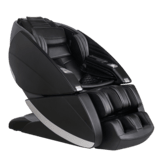
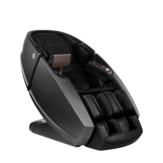
Massage chairs: Broader relief when tension extends into the upper back
When to See a Professional
Self-care may not be enough if you have recurring stiffness, pain lasting over 2–3 weeks, reduced arm strength, pain after injury, or nerve symptoms. Professional options include remedial massage, myotherapy, deep tissue, or relaxation massage.
FAQs
What is the best massage for neck and shoulder pain?
The best massage for sore neck and shoulders is typically a combination of upper trapezius kneading and trigger point work.
Which techniques work fastest for neck and shoulder tension?
Trigger point holds and suboccipital release often provide the quickest relief.
How often should I massage a stiff neck and shoulders?
Light self-massage can be done daily; deeper work 2–3 times per week.
Can self-massage help posture-related neck pain?
Yes, especially when paired with posture awareness and regular movement breaks.
Are massage devices safe for neck and shoulder pain?
Generally yes, when used gently and correctly. Avoid the neck spine and stop if symptoms worsen.
Summarise Article
Summarise Article

