




)



Key Takeaways
- Massage can reduce chronic pain and muscle tension, supporting relaxation and improved movement.
- Different massage techniques are tailored to specific pain conditions and individual needs.
- Massage is supportive, not standalone, and works best as part of a broader pain management plan.
How Massage Therapy Can Help Manage Chronic Pain Conditions
Defined as pain lasting longer than three months, chronic pain can quietly reshape daily life, limiting mobility, disrupting sleep, affecting mood, and draining energy. While there’s no single solution, massage therapy is often used as a supportive, low-risk, non-invasive option within a broader pain management plan. For some people, it can reduce pain intensity, ease protective muscle guarding, and improve quality of life. It works best alongside medical care, physiotherapy, exercise, and self-management strategies.
Understanding Chronic Pain and What Keeps It Going
Chronic pain is complex. In many cases, the original tissue injury has healed, but pain persists due to ongoing sensitivity in muscles, fascia, and the nervous system. Contributors commonly include nervous system over-activation (the body staying on “high alert”), stress, reduced movement, fear of flare-ups, and cycles of tension that reinforce pain signals.
Different conditions behave differently, which is why a one-size-fits-all approach rarely works. Hands-on therapies, such as massage, may help by calming the body’s pain response, reducing protective tension, and creating a sense of safety that encourages movement.
For a clear overview of chronic pain mechanisms, see the Australian Institute of Health and Welfare.
Benefits of Massage for Chronic Pain
Evidence suggests that massage for chronic pain can be helpful for some people when muscle guarding and stress are key drivers. Potential benefits include:
-
Reducing muscle tension, stiffness, and myofascial tightness
-
Easing pain severity for some individuals, particularly where tight muscles amplify symptoms
-
Improving circulation and supporting tissue recovery
-
Promoting relaxation, stress reduction, and better sleep
-
Enhancing body awareness and confidence to move
Responses are individual. The benefits of massage for chronic pain may be short-lived initially, but with consistent sessions, some people notice cumulative improvements. Cochrane reviews and clinical summaries note modest but meaningful effects for certain chronic pain presentations.
Massage Therapy Approaches Used for Persistent Pain
Different massage styles suit different needs. In chronic pain care, the goal is therapeutic comfort (not “no pain, no gain”).
-
Remedial/deep tissue massage: Useful for longstanding tightness and trigger points. Pressure should be measured and responsive, never aggressive.
-
Myofascial release: Slow, sustained techniques that help reduce guarding and improve mobility when tissues feel “stuck.”
-
Trigger point therapy: Targeted holds designed to ease referred pain patterns common in neck, shoulder, and hip pain.
-
Swedish/relaxation massage: Supports nervous system down-regulation, helpful when stress drives flare-ups.
-
Gentle/lymphatic styles: Appropriate when fatigue, swelling, or sensitivity are prominent.
Cautions: People with chronic pain often need lighter pressure, shorter early sessions, and more recovery time. Post-massage soreness should be mild and settle within 24–48 hours. Persistent worsening pain isn’t expected and should be discussed with your healthcare provider.
Conditions People Commonly Seek Massage For
Massage is commonly used as supportive care for:
-
Chronic low back pain: May reduce muscle tension and improve comfort with movement
-
Neck and shoulder pain: Especially where posture and stress play a role
-
Osteoarthritis (knee/hip): Can ease surrounding muscle stiffness and improve function
-
Fibromyalgia/widespread pain: Gentle approaches may help relaxation and sleep quality
-
Headache or migraine with muscular contributors: Useful alongside medical management
-
Myofascial pain syndromes:Targeting trigger points and restricted fascia
Integrating Massage Into a Chronic Pain Management Plan
Massage works best as part of a team effort. It can complement GP care, physiotherapy, graded exercise, and pain education. Many people pair massage with pacing strategies, gentle stretching, stress management, and sleep support to reduce flare frequency.
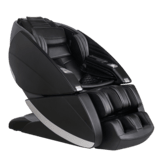
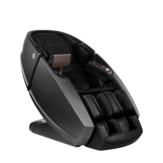
Consistency matters more than intensity. Regular, appropriately spaced sessions can help maintain mobility, support relaxation, and keep symptoms from escalating. For some people, having a massage chair at home makes that consistency easier to sustain between professional sessions, though it complements rather than replaces clinical treatment or prescribed therapies.
Frequently Asked Questions about Massage and Chronic Pain
Is massage therapy effective for chronic pain?
For some people, yes. Evidence suggests modest pain reduction and improved wellbeing, particularly when muscle tension and stress contribute. Results vary by person and condition.
What type of massage is best for persistent pain?
There’s no universal “best massage for chronic pain”. Many benefit from a blend of gentle myofascial, trigger point, and relaxation techniques tailored to sensitivity and goals.
How often should I get a massage for chronic pain conditions?
Frequency depends on tolerance and response. Some start fortnightly or monthly, adjusting based on symptom patterns rather than pushing intensity.
Can massage help arthritis or inflammation-related pain?
Massage doesn’t treat joint inflammation directly, but it may ease surrounding muscle tension and improve comfort and movement when used alongside medical care.
Summarise Article
Summarise Article

