






)


Key Takeaways
- Swedish massage uses long, flowing strokes and gentle pressure to promote full-body relaxation and calm the nervous system.
- Developed by Per Henrik Ling, it focuses on improving circulation, flexibility, and general wellbeing rather than treating specific injuries.
- Core techniques like effleurage, petrissage, and friction work together to reduce muscle tension and support lymphatic flow.
- Regular Swedish massage may lower stress, improve sleep quality, enhance circulation, and support mental clarity.
- Modern massage chairs replicate Swedish-style movements with roller systems and gentle pressure for convenient at-home relaxation.
In a world that rarely slows down, Swedish massage has earned its reputation as the gold standard of relaxation. It’s the massage most people picture when they imagine drifting into a calmer state: long, flowing strokes, gentle pressure, and a full-body approach that encourages both physical and mental ease.
Known as a foundational massage therapy, thebenefits of Swedish massage include reduced stress, improved circulation, and enhanced overall wellbeing. It’s equally at home in professional treatment settings and modern at-home wellness routines, making it one of the most accessible and widely practised forms of massage today.
What Is Swedish Massage?
Swedish massage is a relaxation-focused massage therapy that uses a series of smooth, rhythmic movements to calm the nervous system and ease muscle tension. Developed in the early 19th century by Swedish physiologist Per Henrik Ling, it was designed to support circulation, flexibility, and general health rather than address specific injuries or chronic pain conditions.
Unlike more corrective or clinical approaches, Swedish massage prioritises comfort and relaxation, making it appropriate for most people, including beginners or those new to massage.
At its core, Swedish massage is built around five classic techniques that work together to create a sense of balance, flow, and deep relaxation throughout the body.
Swedish Massage Techniques Explained
Swedish massage techniques are deliberately simple, yet highly effective when combined thoughtfully. Each movement plays a specific role in supporting relaxation and muscle health.
-
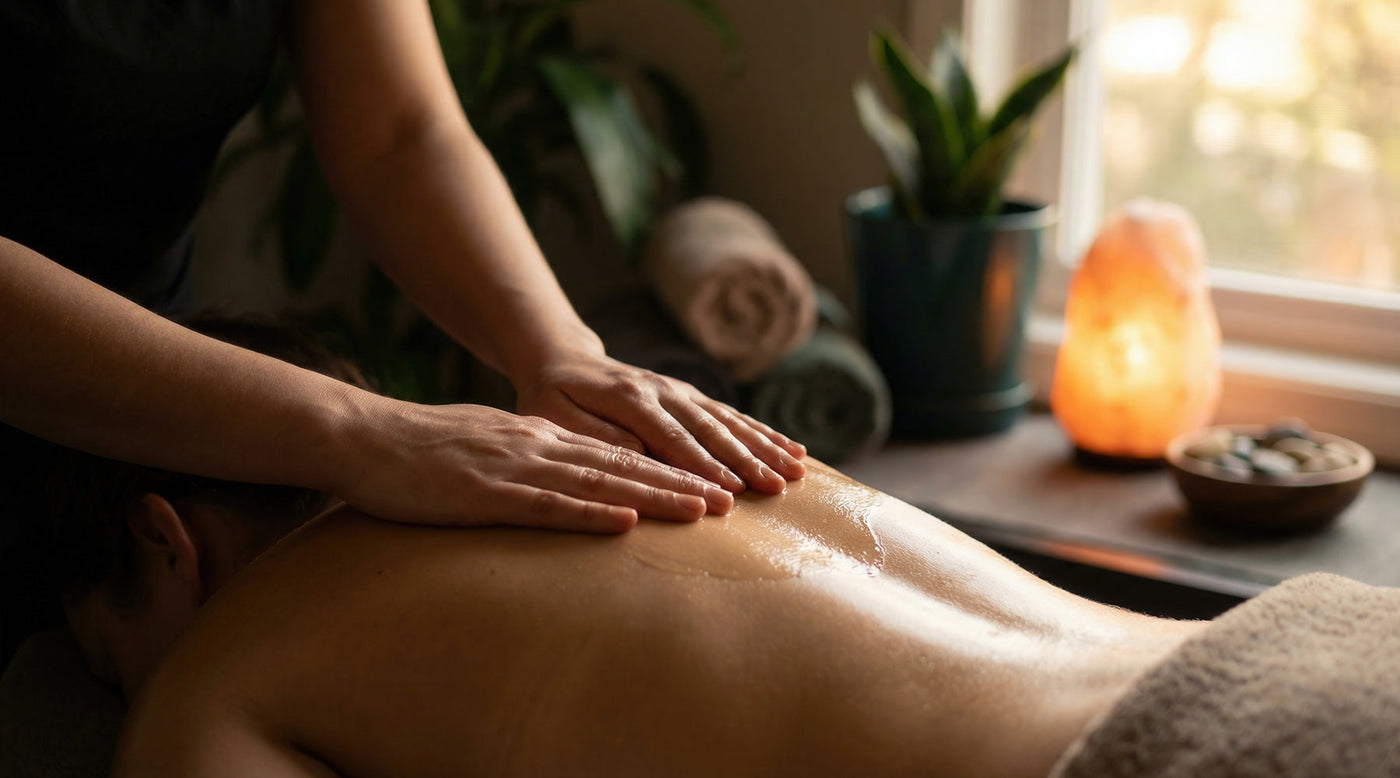
Effleurage involves long, gliding strokes that follow the direction of blood flow toward the heart. These movements warm the muscles, encourage circulation, and signal the body to relax.
-
Petrissage uses kneading and lifting motions to gently work into the muscles. This helps release built-up tension, improve elasticity, and support lymphatic drainage.
-
Tapotement consists of light, rhythmic tapping or percussive movements. While energising in short bursts, it also helps stimulate muscles and improve blood flow when used sparingly.
-
Friction applies small, circular movements to specific areas. These techniques improve flexibility and help soften tight or restricted tissues.
-
Vibration uses gentle shaking or trembling motions to relax muscles and soothe the nervous system.
Together, these techniques create a calming rhythm that encourages the body to shift out of “fight or flight” mode and into a state of rest and recovery.
Benefits of Swedish Massage
Swedish massage benefits extend well beyond feeling relaxed in the moment. As a relaxation massage, it supports both physical and mental wellbeing in meaningful ways.
One of the most recognised benefits is reduced stress and anxiety. Gentle massage has been shown to lower cortisol levels while supporting the release of endorphins, helping the body feel calmer and more balanced.
Swedish massage also promotes improved blood and lymphatic circulation, which supports oxygen delivery, waste removal, and overall tissue health.
Other key relaxation massage benefits include relief from mild muscle tension and stiffness, improved flexibility and range of motion, and better sleep quality. Many people report clearer thinking and improved mood following regular sessions, particularly when massage is used as part of an ongoing self-care routine rather than a one-off treat.
Swedish Massage Therapy vs Deep Tissue Massage
While both are popular, Swedish massage therapy and deep tissue massage serve different purposes. Swedish massage focuses on relaxation, circulation, and overall wellbeing using lighter to moderate pressure. It’s ideal for stress relief, general muscle tension, and preventative care.
Deep tissue massage, on the other hand, targets deeper muscle layers and connective tissue. It’s often used for chronic pain, sports injuries, or long-standing muscular issues and can feel more intense.
If your goal is to unwind, improve sleep, and manage everyday stress, Swedish massage is usually the better fit. If you’re dealing with persistent pain or restricted movement, deep tissue may be more appropriate—often under professional guidance.
Experiencing Swedish Massage at Home
Swedish massage isn’t limited to clinics and day spas. Advances in wellness technology mean many people now enjoy similar benefits at home.
Some premium massage chairs now mimic Swedish massage techniques through smooth roller movements and gentle pressure. Models such as our award-winning Physio+® Massage Chair feature 4D massage technology combined with soothing Hot Stone Therapy and foot Reflexology Rollers, offering a full-body relaxation experience without leaving home.
These chairs are particularly useful for maintaining consistency, allowing short daily sessions that support relaxation and stress management.
How Often Should You Get a Swedish Massage?
Frequency depends on lifestyle and stress levels. For those managing high stress or sedentary work, weekly sessions can be highly beneficial. Fortnightly massages suit most people for ongoing maintenance, while occasional sessions still provide value during particularly busy or stressful periods.
Integrating Swedish Massage into a Wellness Routine
Swedish massage fits naturally into a balanced self-care routine. When combined with regular movement, stretching, hydration, and quality sleep, it supports long-term wellbeing rather than short-term relief.
By encouraging relaxation and helping the body recover from daily stress, Swedish massage becomes less of a luxury and more of a practical tool for maintaining physical and mental health.
Frequently Asked Questions About Swedish Massage
Is Swedish massage good for stress and anxiety?
Yes. Its gentle techniques help calm the nervous system and reduce stress-related tension.
How is Swedish massage different from remedial massage?
Swedish massage focuses on relaxation, while remedial massage targets specific injuries or dysfunctions.
Can massage chairs replicate Swedish massage techniques?
Many modern massage chairs use rollers and AirSpa® cushions to closely mimic Swedish-style movements.
Is Swedish massage suitable for beginners?
Absolutely. It’s one of the most beginner-friendly massage styles available, thanks to its gentle, adaptable approach.
Summarise Article
Summarise Article

